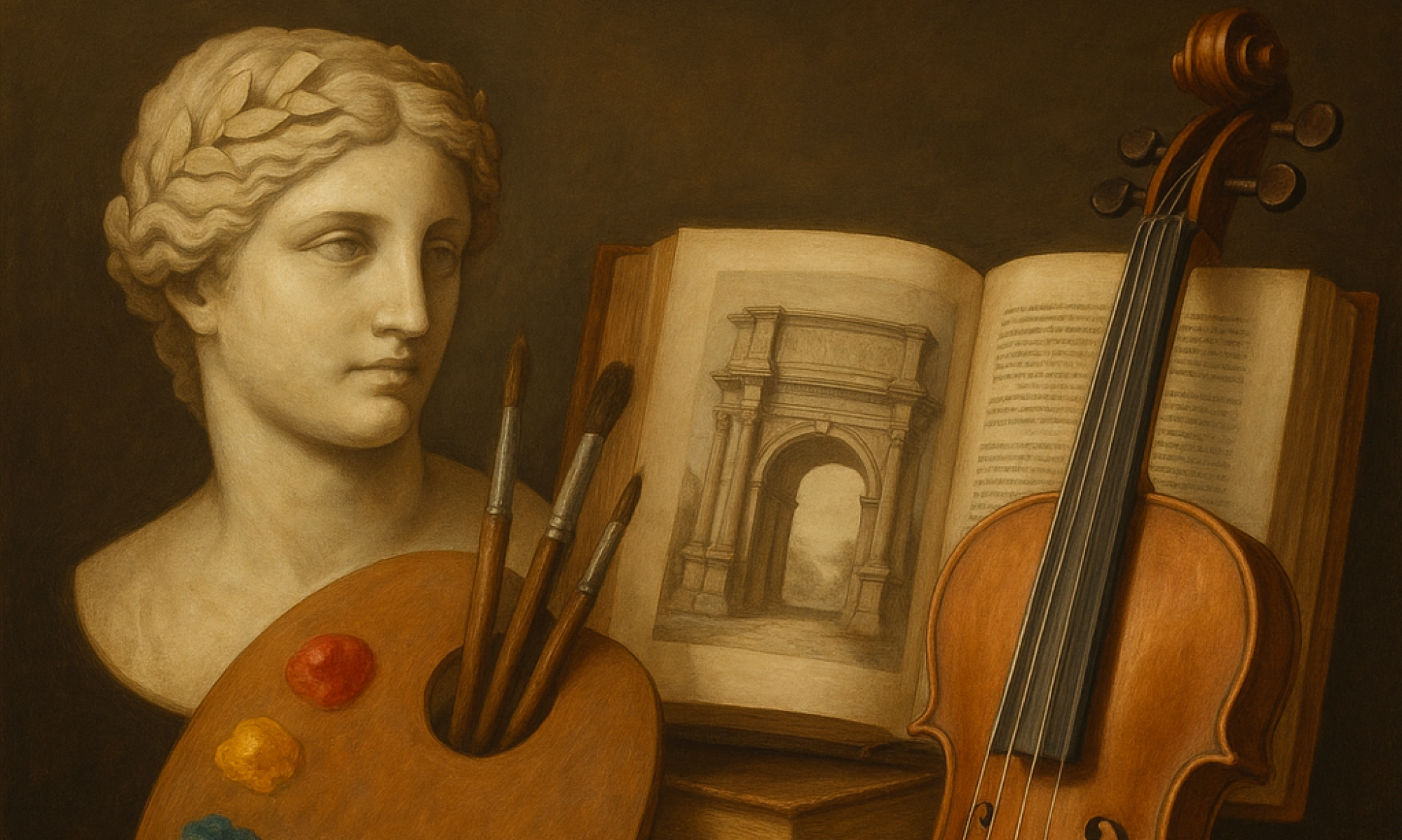
A Tapestry of Culture: Where Art, History, Food, and Music Intertwine
In every corner of the world, four cultural pillars—art, history, food, and music—shape the identities of communities and tell the stories of civilizations. Though each stands strong on its own, it’s in their intersection that we truly grasp the richness of human experience. From ancient ruins whispering tales of the past to vibrant markets echoing with culinary tradition and song, this fusion creates a cultural mosaic as colorful and complex as a Renaissance painting.
Art: The Universal Language
Art captures the spirit of a time and place. Whether it’s a prehistoric cave drawing, a Renaissance masterpiece, or contemporary street art, it offers insight into the beliefs, struggles, and dreams of its creators. Art serves as both a mirror and a window—reflecting society back to itself and opening vistas into other worlds.
History: The Backbone of Identity
History gives context to our present. Every sculpture, manuscript, and melody has roots in a particular moment in time. Walking through a museum or ancient city, we’re not just observing relics—we’re engaging in a dialogue with those who came before us. Understanding history enriches our appreciation of everything from political movements to architectural design.
Food: A Taste of Tradition
Food is one of the most immediate and joyful ways we connect with culture. Recipes passed down through generations carry with them stories of migration, adaptation, and celebration. Whether it’s handmade pasta in Italy, sushi in Japan, or street tacos in Mexico, each bite is a taste of history and a testament to human creativity.
Music: The Soul’s Expression
Music transcends language. It has the power to stir emotion, provoke thought, and bring people together. From ancient drums to modern symphonies, music reflects the collective heartbeat of a culture. It’s often inseparable from rituals, storytelling, and communal life, making it a key player in the cultural narrative.
When art, history, food, and music come together, they don’t just represent culture—they create it. They weave a living tapestry that continues to evolve, inspire, and unite. Whether you’re traveling the world or exploring your local community, immersing yourself in these four elements offers a deeper, more meaningful experience of the world and your place in it.